Sleep Hygiene: 10 Simple Rules That Fix More Than Any Supplement
Walk into any pharmacy and there is a wall of sleep gummies, teas, sprays, and pills promising rest. Meanwhile the actual science of sleep keeps pointing at something far less profitable: a boring list of daily habits called sleep hygiene. Unsexy. Free. And more effective than most of what is on that pharmacy wall.
Sleep hygiene is not one trick. It is the set of conditions that lets your body’s sleep system do its job. Most people breaking their sleep are breaking three or four of these rules at once without knowing they are rules at all. Here are the ten that matter most, in rough order of impact.
The Big Three (do these first)
1. Wake up at the same time every day — including weekends. This is the single highest-impact rule and the one everyone resists. Your body clock anchors to wake time, not bedtime. Sleeping in until 10 on Sunday shifts your clock the same way flying two time zones west does — then Monday morning feels like jet lag, because it is. Pick a wake time you can keep 7 days a week. Yes, seven.
2. Get bright light within an hour of waking. Morning light is the “set” button for your body clock. Ten to fifteen minutes of daylight — a walk, breakfast near a window, even just standing on a balcony — tells your brain when “day” started, which is how it calculates when “night” should begin, roughly 14–16 hours later. On dark winter mornings, a bright indoor light helps, but real daylight is better.
3. Cut caffeine by early afternoon. Caffeine’s half-life is 5–6 hours, which means the 4 PM coffee is still half-active at 10 PM. The cutoff that works for most people: no caffeine after 1–2 PM. And remember caffeine hides — black tea, green tea, chocolate, some painkillers, pre-workout powders. If you fall asleep fine but wake at 3 AM wired, late caffeine is suspect number one.

The Environment Rules
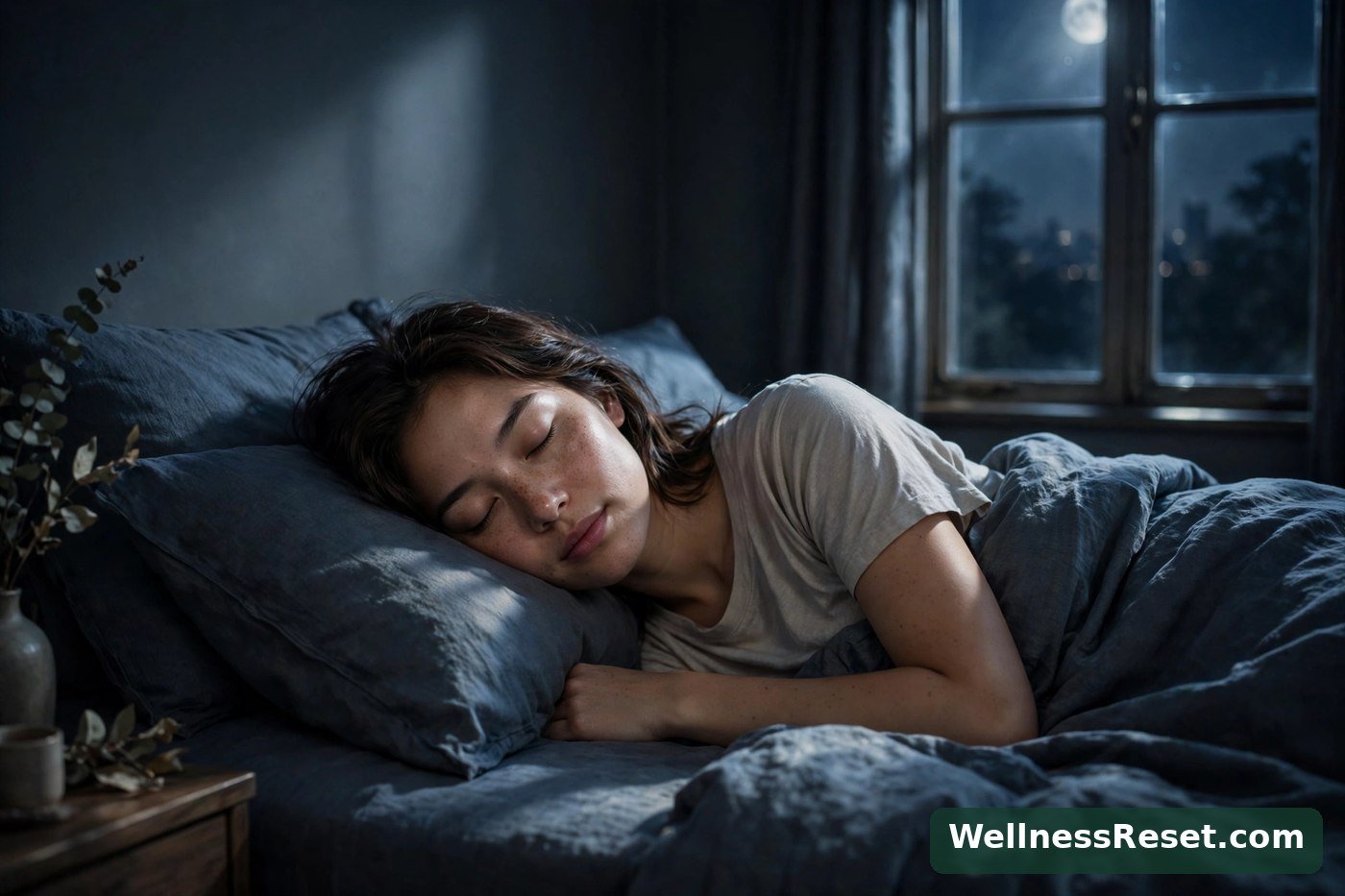
4. Make the bedroom cool, dark, and quiet. Your core body temperature needs to drop about a degree to initiate sleep. A cool room (around 18–20°C / 65–68°F) helps; a warm blanket on a cool room beats a warm room every time. Darkness matters more than people think — even dim light through eyelids suppresses melatonin. Blackout curtains or a sleep mask, and cover or remove glowing LEDs. For noise: earplugs, or consistent white noise (a fan counts).
5. The bed is for sleep (and one other thing). If you work, scroll, argue, and stress in bed all day, your brain stops associating the bed with sleep. This is classical conditioning, and it is powerful. Move the laptop out. If you must use your phone in bed, at least do it sitting up with the lights on — then lights off means sleep, and your brain learns the cue within a week or two.
6. Build a wind-down, not a crash landing. You cannot go from a heated argument or an intense show straight into sleep — your nervous system needs 30–60 minutes to downshift. A wind-down is any boring, pleasant routine: dim the lights, shower, stretch, read something undemanding, write tomorrow’s top three tasks on paper so they stop looping in your head. Same order nightly if you can; routine itself becomes the sleep signal.

The Daytime Rules
7. Move your body, but time it right. Regular exercise is one of the strongest sleep improvers there is — but vigorous exercise within 2–3 hours of bed raises core temperature and alertness, which fights sleep onset. Morning or afternoon workouts are ideal. Gentle evening movement (a walk, easy stretching) is fine and often helps.
8. Watch the alcohol. Alcohol is the most misunderstood sleep substance. It sedates you — you fall asleep faster — then it fragments the second half of your night: lighter sleep, more wake-ups, vivid dreams, early waking. One or two drinks with dinner affects most people less than a nightcap right before bed, but “alcohol helps me sleep” is true only for the first three hours and false for the rest of the night.
9. Nap smart or not at all. A 20-minute nap before 3 PM can be genuinely restorative. A 90-minute nap at 5 PM will steal from your night. If you are fixing your sleep, consider skipping naps entirely for two weeks — daytime sleepiness is the pressure that builds good nighttime sleep, and naps release that pressure early.
The Mindset Rule
10. Do not chase sleep — chase the conditions. Lying awake performing “trying to sleep” is the fastest way to stay awake. If you have been awake 20+ minutes, get up, go to another dim room, do something boring (not your phone), and return when sleepy. This breaks the bed-equals-frustration association. And stop clock-watching — turn the clock around. Knowing it is 3:47 AM has never helped anyone fall back asleep.
Problem → Quick Fix
| Problem | Quick fix |
|---|---|
| I cannot wake at the same time on weekends | Shift gradually — 30 minutes earlier each weekend until you match weekdays; protect it like an appointment |
| My bedroom faces a streetlight | A contoured sleep mask beats cheap curtains; cover standby LEDs with electrical tape |
| Partner snores | Earplugs + white noise machine; separate blankets also reduce wake-ups more than people expect |
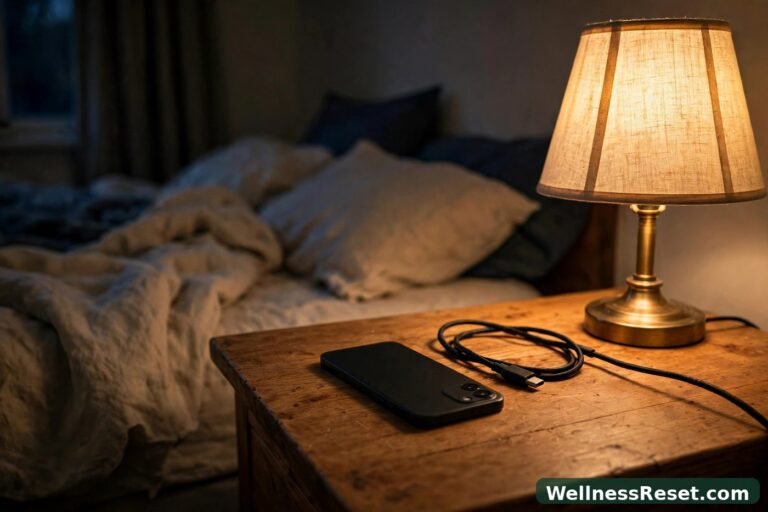
| I need my phone as an alarm | Put it across the room on Do Not Disturb — you still hear the alarm, but you cannot reach the scroll |
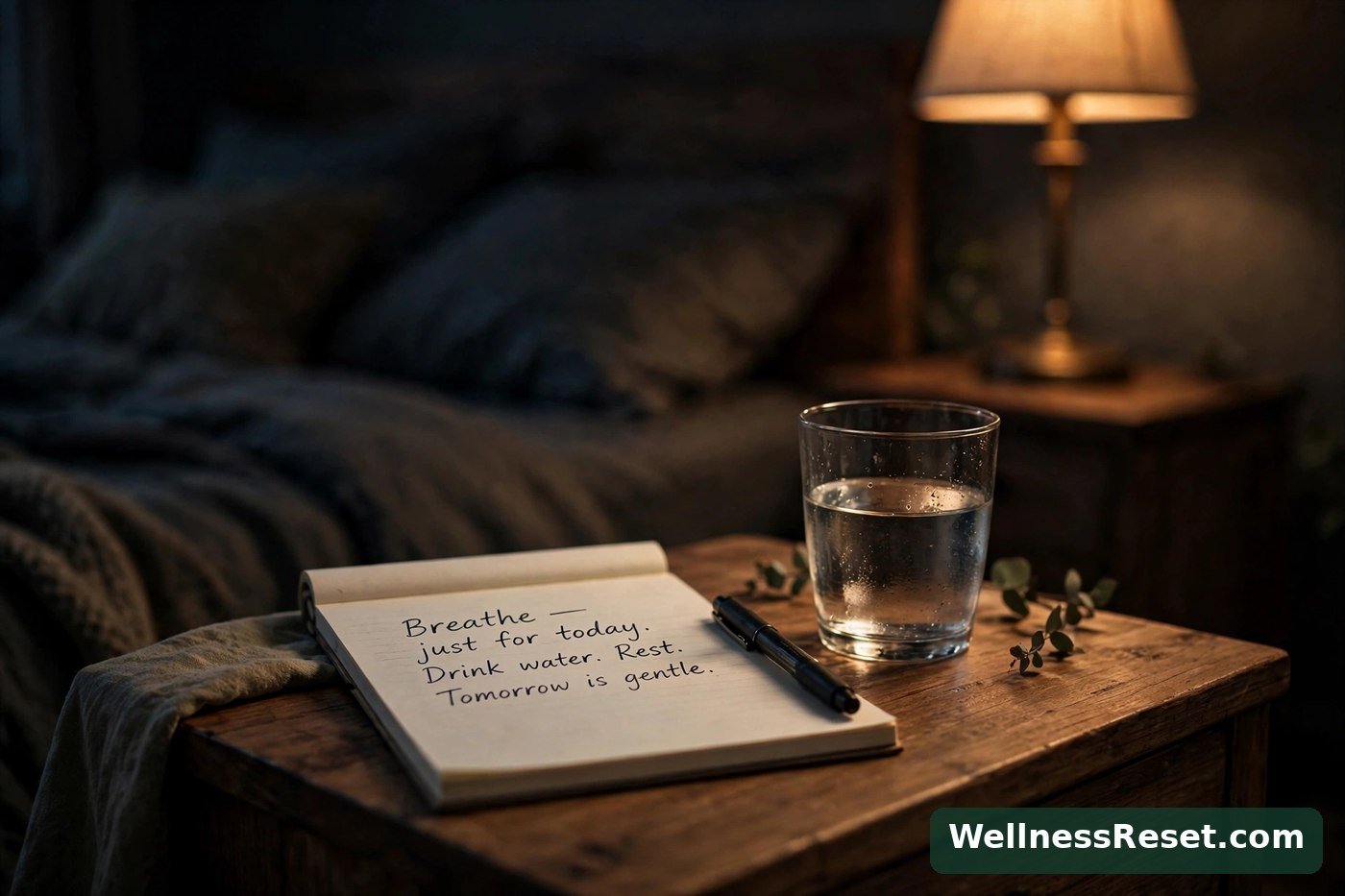
| Mind races the moment lights go off | Keep a notepad by the bed — dump every looping thought onto paper; the brain lets go of written things |
Common Mistakes
Buying supplements before fixing habits. Magnesium, melatonin, herbal teas — none of them overcome a 1 AM bedtime, a glowing bedroom, and a 4 PM espresso. Fix the free stuff first; it works better and costs nothing.
Being perfect for three days, then quitting. Sleep hygiene compounds over 1–2 weeks. Three good nights followed by a 2 AM weekend binge resets the clock. The weekend wake time is where most people fail — that is the rule to protect hardest.
Treating all ten rules as equally urgent. Start with rules 1–3 (wake time, morning light, caffeine cutoff). Those three alone fix a surprising number of sleep problems. Add the rest one per week.
Final Words
Nobody wants to hear that the answer is boring consistency rather than a clever hack. But every sleep researcher will tell you the same thing: the people who sleep well are not doing anything exotic. They wake at the same time, see daylight, stop caffeine early, and keep a cool dark room. Ten rules, all free, all unglamorous. Pick three this week.
If your schedule itself is broken, the 7-night sleep schedule reset is the structured plan for shifting it. And for the nights when you do everything right and still lie awake, How to Fall Asleep Fast covers what actually works in the moment.
FAQs
What is sleep hygiene, exactly? The collection of habits and environmental conditions that support healthy sleep — consistent schedule, light exposure, caffeine and alcohol timing, bedroom setup, wind-down routine. It is called “hygiene” because, like dental hygiene, it is daily maintenance, not a one-time fix.
How long before sleep hygiene starts working? Most people notice improvement within 1–2 weeks of consistent practice. The body clock shifts about an hour per day, so bigger schedule corrections take proportionally longer.
Do I really need all ten rules? No. Rules 1–3 (consistent wake time, morning light, caffeine cutoff) carry most of the weight. Add others as needed — someone with a noisy street needs rule 4 more than rule 9.
Is melatonin part of sleep hygiene? Melatonin can help with timing (jet lag, shift work) but it is not a sleeping pill — it signals “night is coming,” it does not knock you out. And it works best alongside the behavioral rules, not instead of them.
When should I see a doctor about sleep? If you snore loudly with gasping pauses (possible sleep apnea), if insomnia persists beyond 3–4 weeks despite good hygiene, or if excessive daytime sleepiness affects driving or work. Those are medical issues, not habit issues.