The 10-Minute Walk After Meals: The Smallest Habit With the Biggest Payoff
After lunch, the eyelids get heavy. After dinner, the couch calls. Most of us answer — and then wonder why the afternoon slump hits so hard and the waistline keeps creeping despite “eating fine.”
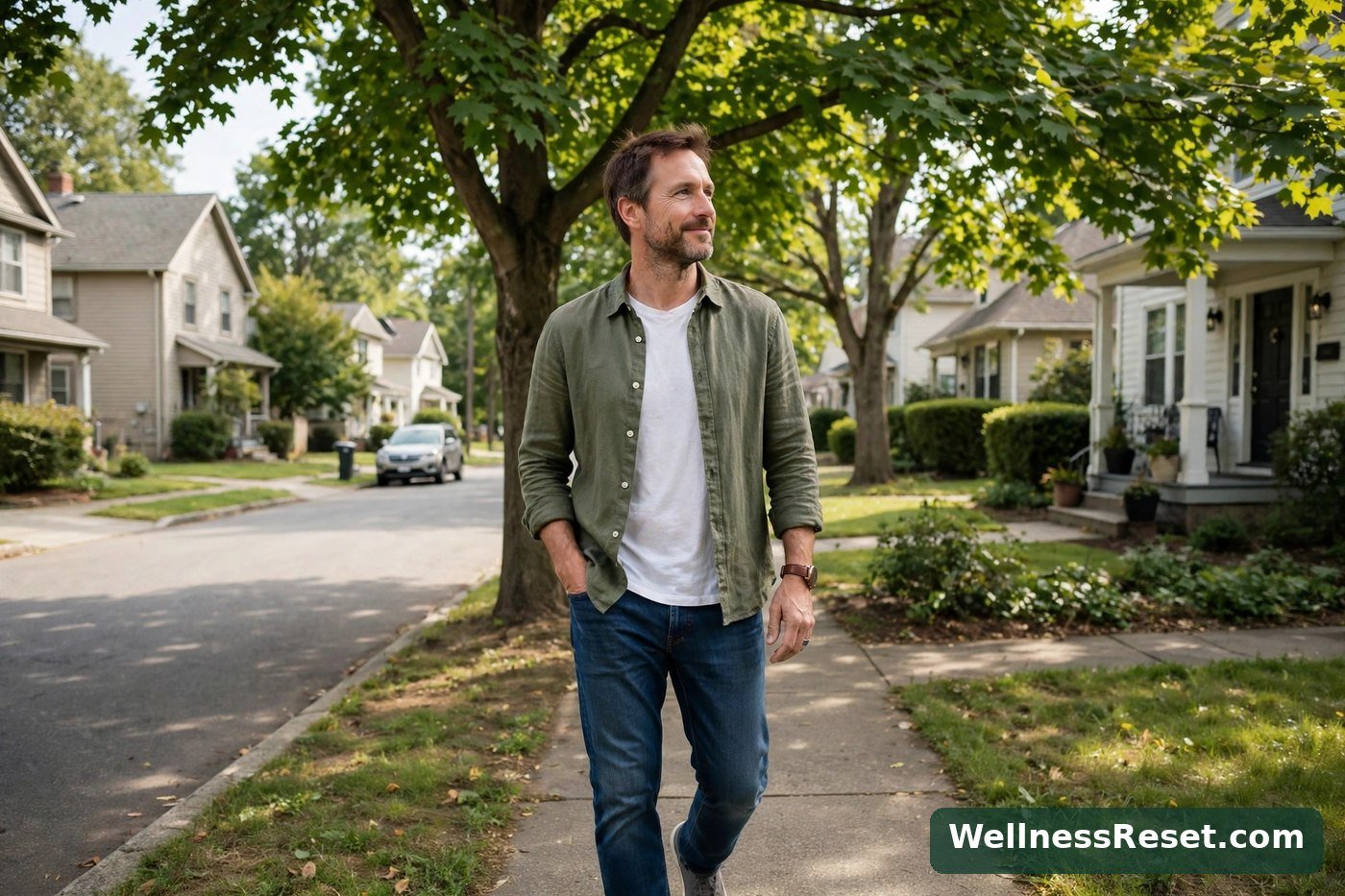
Here is a habit almost embarrassingly small: a 10-minute walk after meals. Not a workout. Not 10,000 steps. Just ten easy minutes, ideally starting within half an hour of finishing eating. It is one of the best-studied small habits in nutrition science, and it costs nothing.
What Actually Happens When You Walk After Eating
Blood sugar stays flatter. This is the headline finding. Multiple studies — including a well-known 2022 meta-analysis pooling several trials — found that light walking after meals reduces post-meal blood sugar spikes more effectively than one longer walk at a different time of day. Your muscles soak up glucose as they work, which means less of it sloshing around in your blood. You do not need to be diabetic for this to matter: big glucose spikes are followed by crashes, and the crash is the 3 PM slump.
Digestion improves. Gentle movement stimulates the digestive tract — food moves along instead of sitting heavy. People who walk after dinner consistently report less bloating and that “stuffed” feeling, even eating the same meal.
The evening wind-down starts early. A post-dinner walk, especially outdoors, does double duty: light movement plus the transition away from screens. Many people find they fall asleep easier on walking evenings. It is not the exercise tiring you out — ten minutes cannot do that — it is the routine signaling to your body that the day is closing.
It is honest about what it is not. Ten minutes of easy walking burns roughly 30–40 calories. That is not a weight-loss strategy on its own. What it is: a blood-sugar habit, a digestion habit, and — underrated — a mood habit. The people who stick with it do not do it for the calories.
How to Do It Right
Timing: Start within 30 minutes of finishing your meal — sooner is slightly better for the blood-sugar effect, but any time within the hour counts. Do not sprint out the door mid-chew; give yourself five minutes.
Pace: Easy. Conversational. If you are breathing hard, you are going too fast — intense exercise right after eating diverts blood away from digestion and can cause cramps. Think “stroll with purpose,” not “power walk.”
Duration: Ten minutes is the sweet spot the research clusters around. Five still helps. Fifteen is fine too. Beyond 20 minutes you are just taking a walk, which is also fine — but the habit survives because ten minutes feels like nothing.
Which meals: Dinner gives the biggest practical payoff (better digestion, better sleep, replaces the couch hour). Lunch fixes the afternoon slump. Breakfast walkers are rare heroes. Start with one meal — dinner is the easiest anchor — and add others only if it sticks.
Making It Stick
The walk itself is trivial; remembering to do it is the whole game.
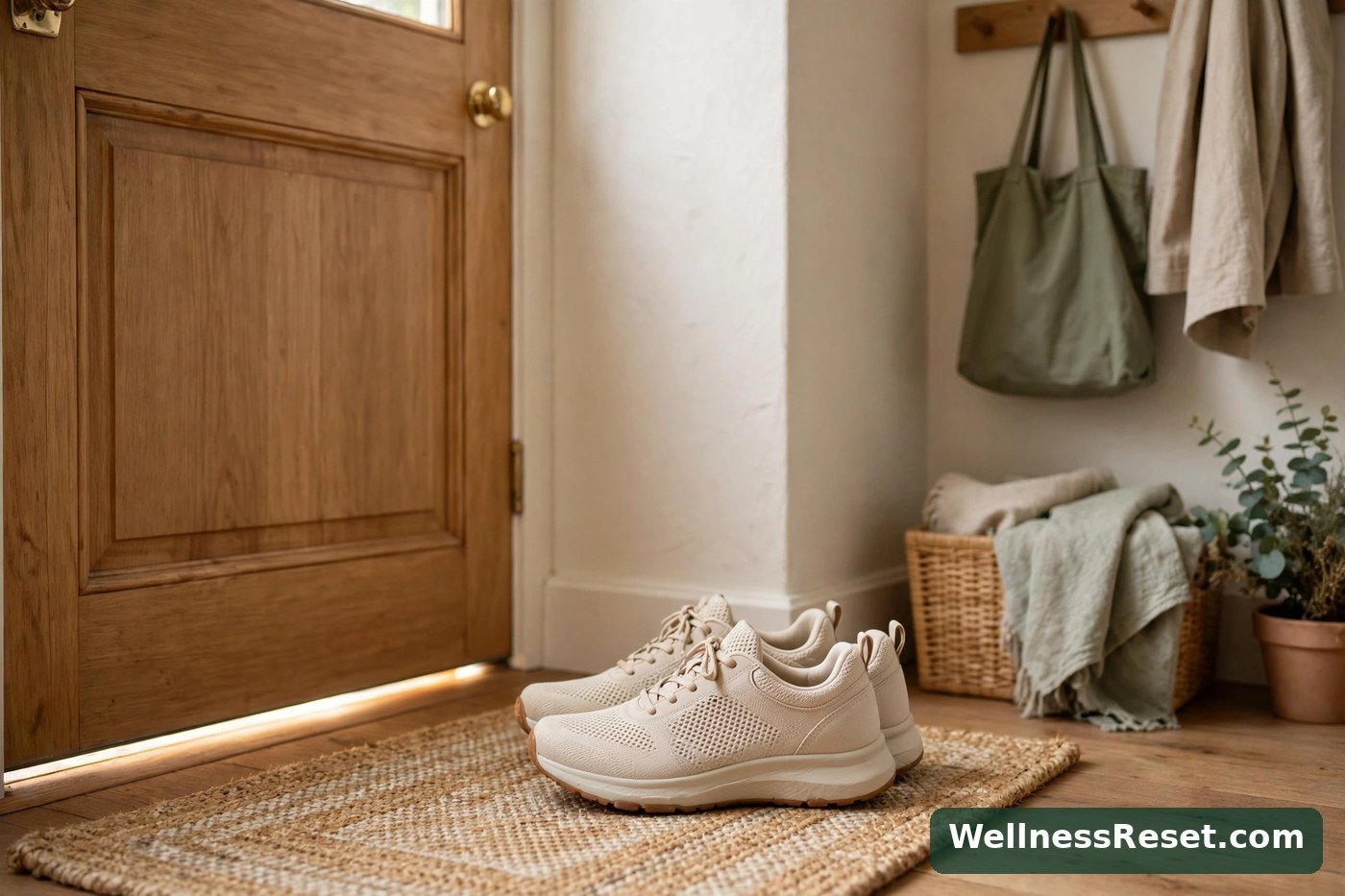
- Leave your shoes by the door. Visible shoes beat willpower. This sounds stupid until you try it.
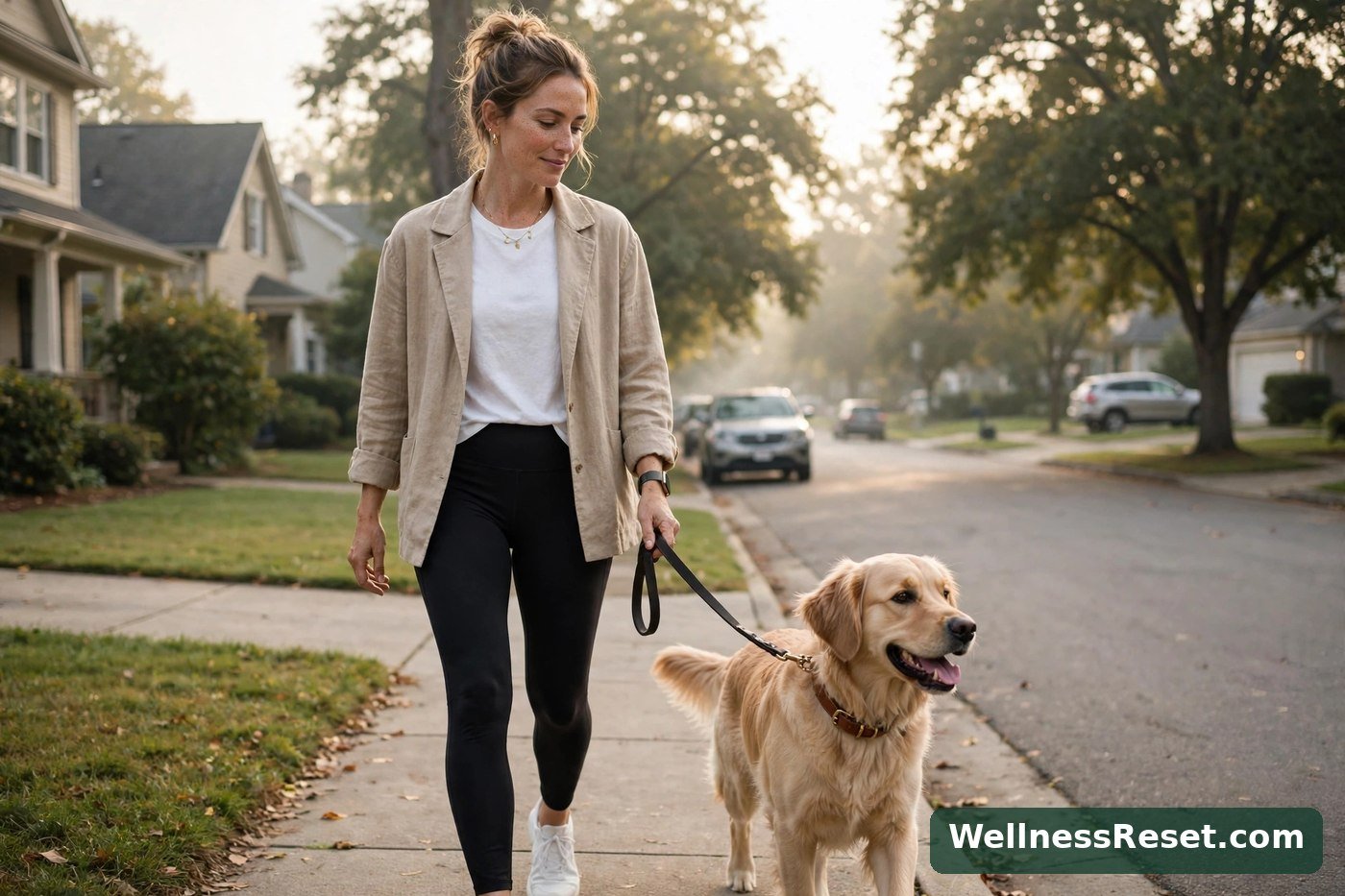
- Pair it with something pleasant. A podcast episode, a phone call to a friend, the dog — the walk becomes the vehicle for something you already want.
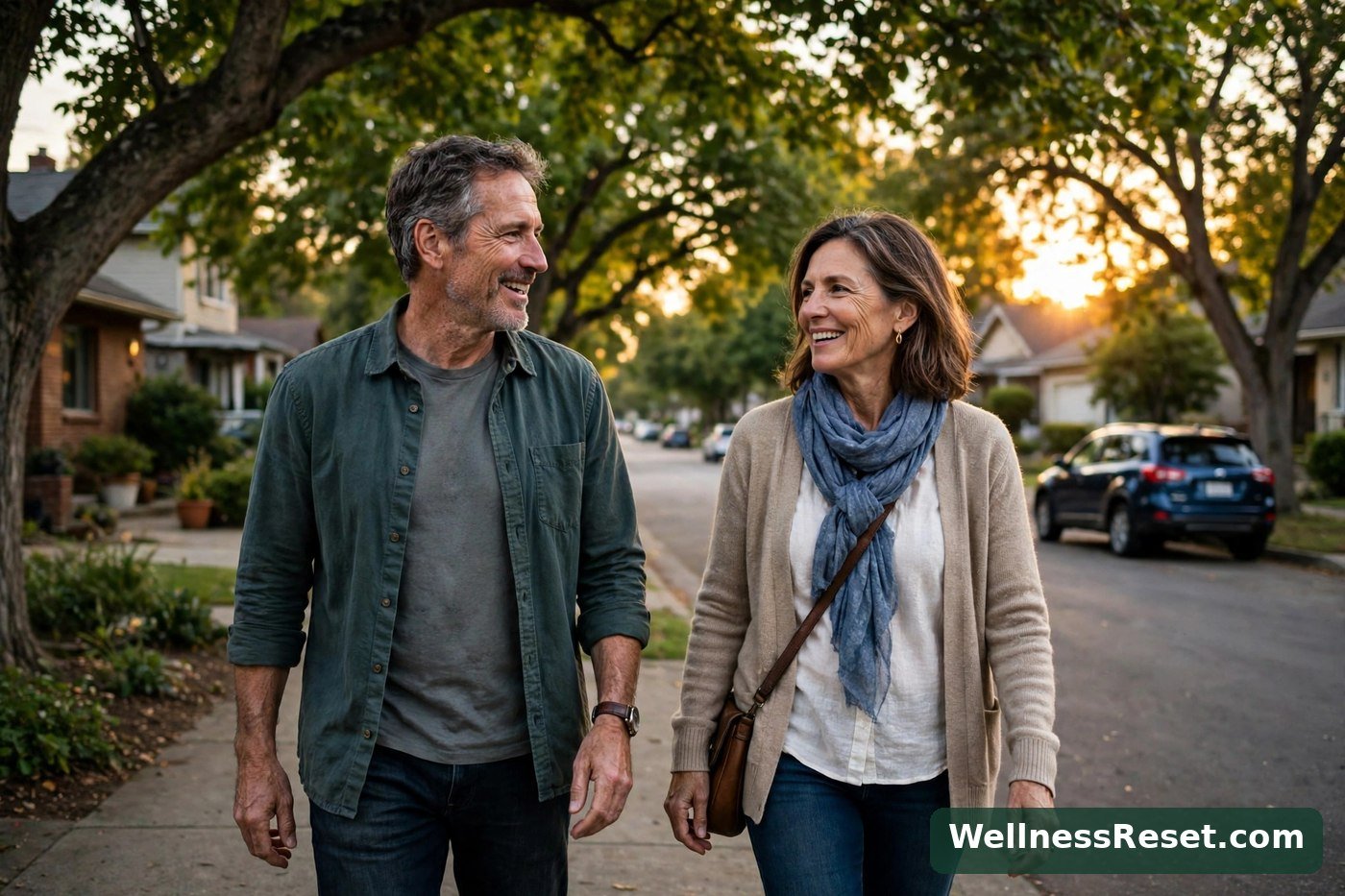
- Recruit someone. A partner, a neighbor, a kid. Social walks have dramatically higher adherence than solo ones, and the conversation makes ten minutes vanish.
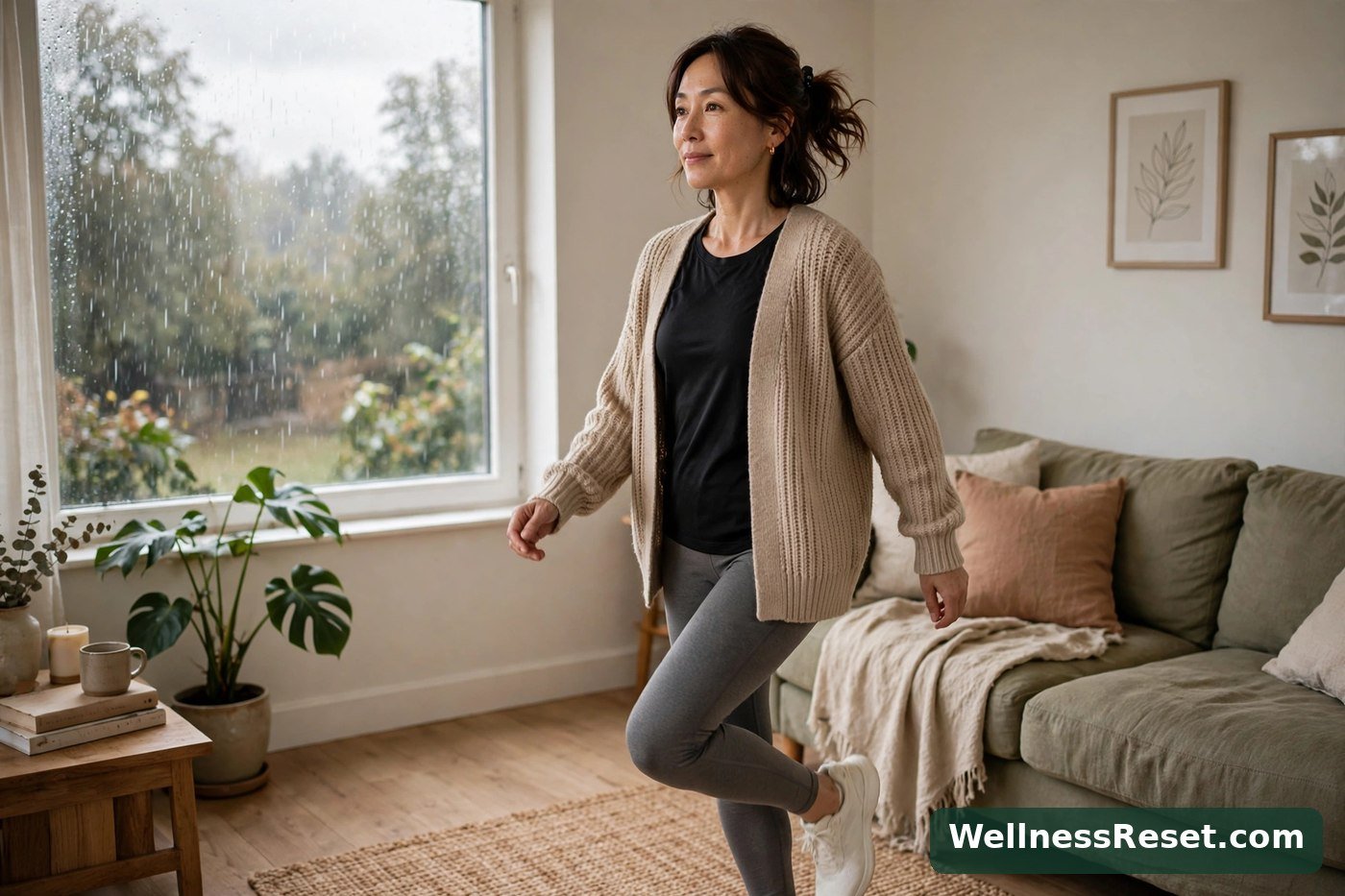
- Have a rain plan. March in place while watching something, walk the apartment stairs, or do a slow lap around the house. “Bad weather” kills more walking habits than laziness does.
Problem → Quick Fix
| Problem | Quick fix |
|---|---|
| I feel too full to move | Wait 10–15 minutes, then go — the first 2 minutes are the hardest; it eases as you walk |
| No safe walking route nearby | Walk indoors: hallway laps, stairs, or marching in place — the glucose effect comes from muscle use, not scenery |
| It is dark after dinner | A well-lit street, a headlamp, or move the walk to lunch — safety beats perfect timing |
| Family wants to sit and talk after dinner | Invite them — post-dinner walks are better with company, and kids sleep better too |
| I forget every single time | Phone alarm labeled “walk” set for your usual dinner time + 15 minutes; shoes by the door |
Common Mistakes
Turning it into a workout. The moment the walk becomes “exercise,” it competes with your gym time and loses. Keep it easy, keep it short, keep it separate in your mind from fitness. This is a digestion and blood-sugar habit that happens to involve legs.
Walking too fast right after a big meal. A heavy meal plus a brisk pace equals cramps and nausea. Big meal? Slower pace, or wait 20 minutes. This is a stroll, not training.
All-or-nothing thinking. Missed dinner? Walk after lunch tomorrow. Missed a week? Start again tonight. The research benefit comes from frequency over months, not from any single perfect walk.
Final Words
Of all the habits on this site, this one has the best effort-to-payoff ratio. Ten minutes, no equipment, no sweat, no schedule rearrangement — just a small detour between the table and the couch. Start tonight after dinner. The afternoon version of you, the one that usually face-plants into the 3 PM slump, will notice the difference within a week.
Pairs well with the 10-Minute Evening Reset for a calmer end to the day, and it fits naturally into the 5 Small Morning Habits framework of tiny changes that compound.
FAQs
Does walking after meals really lower blood sugar?
Yes — this is one of the better-supported findings in lifestyle research. A 2022 meta-analysis of multiple trials found post-meal light walking blunts glucose spikes significantly. The effect is real but modest per walk; it compounds with daily repetition.
How soon after eating should I walk?
Within 30 minutes is ideal for the blood-sugar benefit. Within the hour still helps. Right this second is unnecessary — finish your meal in peace first.
Is 10 minutes enough, or should I walk longer?
Ten minutes captures most of the post-meal benefit. Longer walks have their own general benefits, but for the specific after-meal effect, duration matters less than consistency and timing.
What if I have diabetes?
Post-meal walks are commonly recommended for blood-sugar management, but if you take glucose-lowering medication, talk to your doctor first — the combined effect can occasionally push sugar too low.
Can I just do it after dinner only?
Absolutely. Dinner is the highest-value single walk: it aids digestion, replaces sedentary evening time, and supports better sleep. One walk a day, every day, beats three walks a day for a week.